Which Type Of Toilet Is Best For Your Bathroom
In market there are different types of toilets are available & also it is upgrading as per new innovations & latest technologies.
Types of Toilets:
Wall
Hung Toilets
Back
to wall Toilets
Closed
Coupled Toilets
Rimless
Toilets
Smart Toilets
Advantages and Disadvantages of Wall Hung Toilets
Not all toilets are created equal, and fortunately, there's a wide array of options available to customize the style of your new toilet. Many manufacturers offer artistic designs and the ability to mix and match styles and finishes to suit your preferences.
Some toilets come equipped with bidets, a popular feature in European bathrooms. These models may also include bidet-compatible faucets, providing added functionality and convenience.

With such a variety of options, finding the perfect toilet for your home is a breeze.
One popular option is the wall-hung toilet. Mounted on a sturdy frame, these toilets offer a sleek and modern look to any bathroom. The frames come in standard heights and widths, with heights typically ranging from 0.8 to 1 meter. Slim frames are also available, measuring 80-120mm deep, offering flexibility in installation. The height of the frame will depend on your bathroom layout and ceiling height, but a 1.2-meter high toilet can be easily installed by homeowners of all experience levels.
All toilets have one thing in common:
All toilets are equipped with a trapway, which serves as the pathway for waste materials to exit through the outlet pipe. In traditional toilets, the trapway is often visible as a squiggly S-shaped hole located on the backside or underneath the toilet. However, many manufacturers now offer toilets with concealed trapways, where the flush mechanism is hidden from view. These toilets feature a skirt that covers the trapway, making it nearly impossible to notice upon casual inspection.
The Advantages and Disadvantages of Back to Wall Toilets

Back to wall toilets offer numerous advantages for bathroom installations. One key benefit is their space-saving design, as they take up minimal space due to their compact configuration. Additionally, back to wall toilets feature a concealed tank or cistern, providing a sleek and seamless appearance in the bathroom.
This type of toilet is not only functional but also aesthetically pleasing, contributing to a modern and stylish bathroom design. Moreover, back to wall toilets are known for their comfort, offering users a comfortable and ergonomic seating position for a more enjoyable experience.
Overall, the combination of space efficiency, concealed tank or cistern, aesthetic appeal, and comfort makes back to wall toilets a popular choice for contemporary bathroom designs.
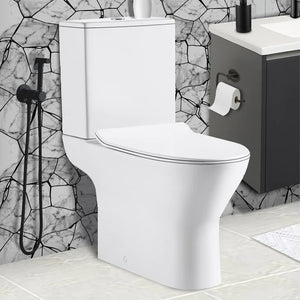
Image Credit : Tapron.co.uk
Back to wall toilets offer the convenience of adjustable height settings, allowing users to customize them to their preferred level for optimal comfort. Additionally, these units are designed for easy cleaning, making maintenance a hassle-free task.
While the initial installation cost may be higher compared to traditional toilets, the benefits of back to wall models far outweigh this drawback. Their space-saving design, sleek appearance, and ergonomic features make them an excellent choice for any modern bathroom.
If you're looking to upgrade your toilet and prioritize comfort, cleanliness, and aesthetics, a back to wall toilet is definitely worth considering despite the higher installation cost.

Installing a back to wall toilet can pose challenges compared to traditional toilets, as it often requires relocating pipes, which can be labor-intensive and costly. Additionally, future replacement of the toilet may incur additional expenses, especially if pipes need to be moved again.
However, opting for a back to wall model can mitigate the need for extensive pipe relocation, reducing associated costs and labor. In cases where pipe movement is unavoidable, reinstalling the toilet becomes necessary, which can be challenging and may require professional assistance.
Moreover, finding an alternative location for the toilet can be more complicated if relocation is not feasible due to space constraints or other limitations. Therefore, careful consideration of these factors is essential when deciding on the installation of a back to wall toilet.
Back to wall toilets are an excellent option for maximizing space efficiency, particularly in larger bathrooms where compactness is desired. With fewer components and reduced maintenance requirements compared to close-coupled toilets, they offer convenience and ease of upkeep.
Beyond their functional benefits, back to wall toilets also contribute to aesthetic appeal by presenting a sleek and streamlined appearance. This modern design not only enhances the visual appeal of the bathroom but also lends a sense of sophistication to the space.
Whether you're furnishing a cozy small bathroom or outfitting a spacious one, back to wall toilets offer versatility and adaptability to various room sizes. Their ability to blend seamlessly into different bathroom layouts makes them a versatile choice for any residential setting.
Advantages and Disadvantages of Close Coupled Toilets

Close-coupled toilets represent the most prevalent type found in residential bathrooms. Contrary to what their name might suggest, these toilets feature a design where the cistern is directly attached to the toilet pan, simplifying the replacement process compared to other toilet variants.
Close-coupled toilets are also ideal for smaller residences and commercial spaces due to their compact design, making them a practical choice for areas with limited space. Additionally, their functionality and ease of use make them suitable for individuals of all ages, including older adults.
Close-coupled toilets are also a budget-friendly option compared to wall-hung toilets because the cistern and pan are integrated, simplifying the installation process and making replacements straightforward. This affordability, combined with ease of installation, makes them a practical choice for many households.
Moreover, close-coupled toilets are often easier to install than their wall-hung counterparts, requiring less intricate plumbing. This simplicity is particularly beneficial for bathrooms with fixed plumbing configurations, eliminating the need for extensive renovations or tile work.
However, while close-coupled toilets offer convenience and cost-effectiveness, they may present challenges in terms of cleanliness. The gap between the toilet base and the wall can accumulate dust and debris, requiring more effort to maintain hygiene.
Furthermore, some individuals may find close-coupled toilets lacking in aesthetic appeal compared to more modern and stylish options available in the market. Despite these considerations, their practicality and affordability make them a popular choice for many households.
Rimless Toilet
Before delving into the advantages of rimless toilets, it's important to understand what exactly a rimless toilet is.

What is a rimless toilet?
A rimless toilet eliminates the traditional rim found in conventional toilets, improving hygiene by preventing the accumulation of dirt and bacteria. Cleaning is easier since there are no hidden crevices to scrub. The efficient flushing system conserves water while effectively removing waste. Overall, rimless toilets offer enhanced cleanliness and convenience for modern bathrooms.
There are two options: With or without a flushing edge
A rimless toilet operates without a flushing rim, which eliminates areas where dirt and debris can collect. Instead, a specialized flush distributor directs water directly into the toilet bowl, ensuring thorough cleaning with each flush. This design prevents buildup and promotes improved hygiene in the bathroom.
A glance at the top-selling products, variants and advantages
Rimless toilets offer numerous advantages, making them highly desirable for many homeowners. Their easy-to-clean design, enhanced hygiene features, and economical benefits make them a popular choice. Manufacturers may use various terms to describe these toilets, but rimless models consistently rank among the top sellers in our shop.
The main benefits:
- Hygienic
- It is easy to clean
- Long-term, it is cheaper
- elegant design
- Eco-friendly and economically friendly
5 Best advantages of the rimless toilet
1. Hygiene
In hospitals, where the risk of infection is particularly high, rimless toilets are often preferred. The rationale is simple: without a rim, there are no crevices for deposits or germs to accumulate. This design makes it easy to spot any residue and ensures thorough cleaning, minimizing the risk of bacteria spreading.
2. care
Cleaning rimless toilets is quick and effortless compared to traditional toilets with rims. The absence of a rim eliminates the need for meticulous cleaning around hard-to-reach areas, streamlining the process. Additionally, the open design of the bowl makes it easily accessible from all angles, facilitating thorough cleaning. As a helpful tip, many manufacturers provide special glazes for toilets, further enhancing their ease of maintenance and cleanliness.
3. Costs
Indeed, rimless toilets may come with a slightly higher price tag compared to standard models, but the price difference is usually minimal. For example, the Villeroy & Boch Subway 2.0 rimless toilet is priced only 50 euros less than its standard counterpart. Similar pricing structures can be found across various manufacturers. Considering the time, water, and detergent saved on cleaning due to the efficient design of rimless toilets, the slightly higher upfront cost proves to be a worthwhile investment in the long run.
4. Design
While the initial designs of rimless toilets were rather plain, leading bathroom manufacturers such as Keramag, Duravit, and Ideal Standard have been introducing more stylish options to the market. These manufacturers offer popular bathroom ranges that include rimless toilets designed to complement furniture, washstands, and bathtubs, providing customers with both functionality and aesthetic appeal.
5. Thrift
Rimless toilets use less water to flush compared to traditional ones, which is a significant advantage in today's era of sustainability and ecological consciousness. These toilets are designed with optimized bowl shapes to ensure efficient flushing while minimizing water usage. For instance, Duravit's latest toilets feature the Hygiene Flush Rotary flush system, which further enhances water efficiency and hygiene standards.
What rimless toilet won't splash?
A rimless toilet offers numerous advantages, although occasional overflow issues may arise. However, this shouldn't be considered a disadvantage, as it is often caused by improperly adjusted toilet flush settings. As discussed earlier, rimless toilets are designed to use less water for flushing compared to traditional rimmed models, which can lead to splashes during flushing if the toilet is set to a rimmed configuration. It's important to refer to the specifications provided by the toilet manufacturer regarding the flushing water requirements. Additionally, if water control is not optimal, you can consider installing a "rinsing flow throttle." This small plastic piece, inserted into the cistern, helps regulate the flushing flow according to the manufacturer's recommendations.

Image Credit : Tapron.co.uk
Maintaining cleanliness is crucial for any type of toilet. If you're looking for alternative cleaning methods, you might find this guide on how to clean your toilet without a bowl brush helpful. Check out the link here : https://tapron.co.uk/blogs/news/how-to-clean-your-toilet-when-you-don-t-have-a-toilet-bowl-brush
Advantages and Disadvantages of Smart Toilets
Smart toilets offer numerous advantages, enhancing both comfort and hygiene in the bathroom. Their sleek and modern design adds a touch of luxury to any bathroom space. Here are some of the key benefits of smart toilets:
1. Enhanced Comfort: Smart toilets feature high-tech bidet functionalities that provide superior cleaning for intimate areas, ensuring a more comfortable experience.
2. Hygienic Operation: These toilets are equipped with advanced features that eliminate odor-causing bacteria, promoting better hygiene in the bathroom.
3. Connectivity and Convenience: Many smart toilets can be connected to smartphone apps, allowing users to control various functions remotely. This connectivity also enables communication with healthcare professionals, making it easier to monitor health conditions and receive medical advice.
4. Health Monitoring: Smart toilet technology includes features such as urine and stool analysis, with results sent directly to the user's smartphone. This functionality is particularly beneficial for individuals with conditions like diabetes, as it facilitates easy monitoring and medication management.
5. Customizable Settings: Smart toilets offer multi-functionality with customizable settings to accommodate different users. For example, features like "feminine wash" settings provide targeted cleaning for female users, while "kids" functions adjust cleaning pressure for children. Additionally, sensory systems enhance accessibility and comfort for elderly and disabled individuals.
Overall, smart toilets offer a range of innovative features that prioritize comfort, hygiene, and convenience, making them an excellent addition to any modern bathroom.
Image Credit : Goldbathroom.uk
In addition to choosing the right type of toilet, selecting complementary bathroom accessories can elevate the overall aesthetic. If you're interested in exploring unique design elements, you might find this comprehensive guide on https://goldbathroom.uk/blogs/news/gold-kitchen-waste-disposal-guide .
Comments
Post a Comment